


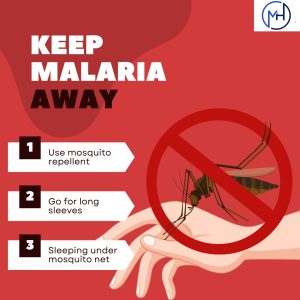
The primary difference between dengue and malaria, the two prevalent illnesses transmitted by mosquitoes, lies in their distinct characteristics. These illnesses, which are transmitted by mosquitoes, can cause fever, headaches, and muscle aches. Vector control methods, such as removing mosquito breeding grounds and applying protective gear, such as insect repellents, are part of prevention strategies for both of these diseases.
What is Dengue?
The dengue virus, which causes dengue fever, is spread by the species of mosquito, called [Aedes], particularly Aedes aegypti.
What is malaria?
Malaria is a disease caused by a parasite. The parasite is spread to humans through the bites of infected mosquitoes. People usually feel very sick with a high fever and shaking chills when they suffer from malaria.
Dengue vs Malaria
Fever and fatigue are the most common symptoms in both dengue and malaria; both diseases are transmitted by different mosquitoes and are deadly to the body. It may be possible to diagnose and treat these illnesses more successfully if these distinctions are understood.
Dengue & Malaria Symptoms.
It can be easier to differentiate between dengue and malaria if you are aware of their symptoms.
Dengue symptoms
- High Fever: A sudden, high fever is typically the first sign of dengue.
- Severe Headache: Excruciating headaches, particularly those behind the eyes.
- Joint and Muscle Pain: Often referred to as “breakbone fever” because of the extreme pain in the muscles and joints.
- Rash: A few days after the onset of a fever, a rash may appear.
- Mild Bleeding: Gum or nosebleeds are examples of mild bleeding symptoms.
Malaria symptoms
- Fever and chills: Malaria frequently manifests as cyclical fevers and chills.
- Sweating: Usually, fever episodes are followed by excessive perspiration.
- Headache: People frequently get severe headaches.
- Vomiting and Nausea: gastrointestinal symptoms such as vomiting and nausea can happen.
- Muscle Pain: Constant aches and pains in the muscles.
Causation
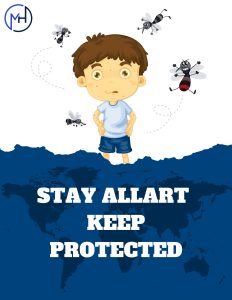
Standing water where mosquitoes breed, wear protective clothing and insect repellents, and take precautions to keep mosquitoes out of your home, like installing screens and using mosquito nets, to help prevent dengue and malaria. Choose cooked meals and purified water, and be mindful of what you eat and drink. Get medical help right away if you experience symptoms like a high fever, headache, or body pain, especially after visiting a high-risk area.
Conclusion
If you have a dual infection of both dengue and malaria, it can be dangerous and even life-threatening. Be proactive and take steps to prevent mosquito-borne diseases so you can enjoy your adventures in good health. Stay safe!! With growing research and advancements in prevention and treatment, there is hope for a future where dengue and malaria are no longer a life threat to human life. By staying updated on symptoms and taking proactive measures, we can all contribute to the fight against these pervasive illnesses and create a healthier world. In case of symptoms, ensure you consult an expert immediately for the correct diagnosis & treatment plan.